The custom screen printing business is in globally high demand, and according to the report of the IBIS World, the US screen printing business is expected to increase by 1.5 % by 2022. To comprehend the demand for this exciting printing, we have broken down the list of the best screen printing ink.
Let’s explore this ultimate guide to screen printing inks, where your artistic vision knows no bounds! Get ready to unlock your inner artist and let your creativity run wild!
What Type Of Screen Printing Inks Are Available?

Screen printing ink comes in surprising options, but it is crucial to note that the correct ink is the key to achieving the perfect ink quality and visual impact of print. With the vast array of options available, it is important to understand its usage. Doing this can help you achieve the best result in the highly competitive apparel world. Let’s look at some top-of-the-line screen printing ink and explore the options!
Plastisol Ink
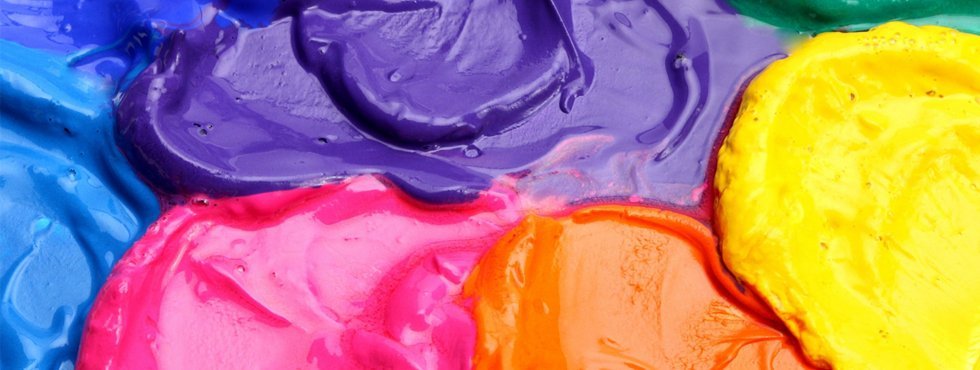
Plastisol is the most popular form of screen printing ink. It is versatile and easy to use. This ink goes on fabric and makes colors really bright. It makes your designs stand out a lot, like fireworks.
It is easily usable and makes the print extra bright in colors. It is the type of ink that sits on the shirt instead of soaking inside the fabric, making the print extra bold and colorful, like a fireworks show!
But that’s not all. These inks are tough as nails, resisting fading and cracking like companions. With colors, this eye-catching print and intricate detail designs are ideal for printing on various fabrics, especially cotton and polyester.
Pros
Due to the thickness, plastisol ink does not soak through the fabric. Hence, it makes vibrant yet bold prints on various substrates that look great, even in dark fabric colors.
You can use plastisol ink as a great option to print on various fabrics. It is best for cotton, polyester, or blended fabric.
Plastisol ink is highly durable and resistant. It does not easily crack, fade, or peel. It can easily bear multiple wear and wash.
Plastisol ink typically requires minimal equipment for the application.
Cons
Plastisol ink is less soft and flexible than other types, making achieving particular effects such as distress or a vintage look easy. These differences can easily be noticed while using the plastisol vs water based ink.
Plastisol requires heat curing, which can damage sensitive material like nylon.
Plastisol ink contains PVC or phthalates, a harmful chemical that can harm the environment if not correctly dumped.
Water Based Ink
Water-based ink is an eco-friendly alternative used for plastisol ink. It is suitable for screen printing; it works like magic on the surface you throw at them, all while being kind to the planet. Be mindful of their staying power and bleeding potential, and you are good to go! So, it does not matter if you are printing on a shirt, jacket, or even on any fabric, water-based inks are the best option to go for.
Pros
These are super soft inks. They are considered the softest ink that can be used as softest ink ink for t-shirt printing.
They are considered better for the environment because they are made from less volatile and toxic chemicals and produce less wastage that goes to the drain easily compared to plastisol.
Water-based ink becomes part of the pigment, and as it is water-based, it leaves behind the pigment, resulting in a durable and resistant print.
These inks are less thick than plastisol, so they do not require any specialized pressing tool. They can be easily set for extended durability.
Cons
It is more prone to drying, requiring more maintenance for the screen printing.
It might not last as long as the plastisol and can sometimes bleed or spread on the fabric if not correctly managed.
It may not work well on fabrics such as nylon or spandex, which can cause it to bleed or spread upon the print.
Discharge Ink
Discharge inks are a unique type of ink designed to remove or discharge the fabric’s original color by creating a visually striking effect. This printing is typically helpful for printing on dark fabric as it effectively bleaches the fabric color and brings a lighter base to the print. This means you don’t have to use multiple layers, making the fabric heavy and thick.
Pros
Discharge ink reacts with the dye on the pre-dye fabric, resulting in soft-to-the-touch prints that are particularly useful for apparel.
Discharge ink makes a strong bond with the fabric, resulting in durable and resistant cracking and peeling even on multiple washables.
Discharge ink excels at sustaining the environment, as it contains the least harmful chemicals for eco-conscious printers and consumers.
Discharges are formulated to produce vibrant color prints on dark-color fabric without needing any additional color.
Cons
Discharge can be difficult to achieve the specific color, while color-matching depends on the originality of the dyed fabric.
Handling discharge ink is dangerous. If you do not have safety gear or enough airflow, this can hurt and destroy printing ink.
Metallic Ink
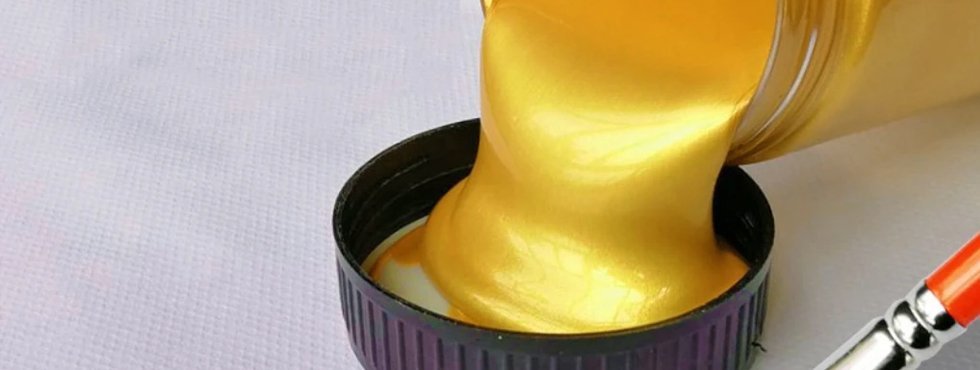
Metallic ink is a type of ink that contains metallic particles and adds the touch of gold screen printing ink to the screen-printed design. It is the popular choice for creating eye-catching logos, graphics, or appealing messages on different substrates. Take a look at our Screen Printing designs, where our skilled and dedicated designers create screen printing products with experienced craftsmanship.
Pros
Metallic color in various colors beyond just silver and gold, and it also works well on any fabric, whether cotton, polyester blend, or nonwoven fabric.
Metallic ink is known for its durability and opacity as it withstands the test of time over multiple wear and tear.
Metallic ink is consistent and allows for smooth printing through screens.
Cons
Metallic ink can be more expensive than any of the prints due to the metallic printing usage.
Mixing the colors is challenging on the metallic ink as they are thick and stiffer on the fabric.
Reflective Ink
Want your designs to shine bright like a diamond? Enter reflective screen printing ink. Its reflective particles make your prints glow and sparkle, especially in low light. This ink is particularly popular for safety gear, event merch, or just adding some eye-catching design. The reflective property enhances visibility even in low light conditions and mitigates the risk of any accident.
Pros
What makes this ink different from others is its ability to reflect. It makes the design highly visible even in low-light conditions.
Since the reflective ink is made with durable yet weatherproof material, it resists various weather conditions. This ink does not lose its reflective properties even after washing or its exposure to bright sunlight.
Cons
They are expensive compared to other screen printing ink due to the specialized material used.
It’s tricky to achieve a unique design with reflective ink due to its thicker consistency.
Conclusion
In sum, Having the insight and knowledge of the right screen printing ink is crucial for achieving the desired results on your screen-printed designs.
Consider factors such as the surface material you’re printing on, color vibrancy, durability, or any unique feature you want for your desired print. By understanding each ink type’s good and bad sides, you can make the best decision and bring your creative visions to life.